男士|裤子|男士 Quandary 慢跑裤

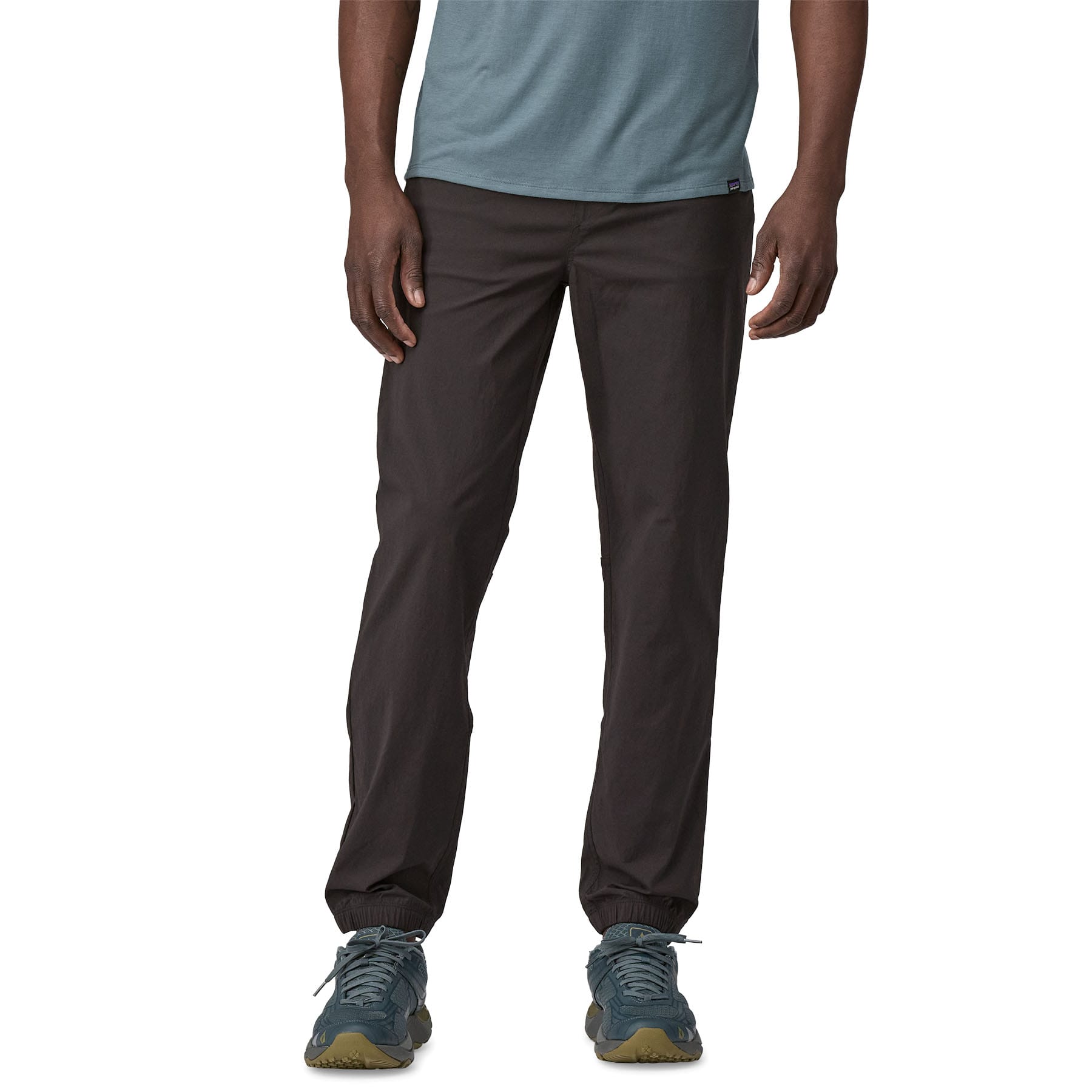
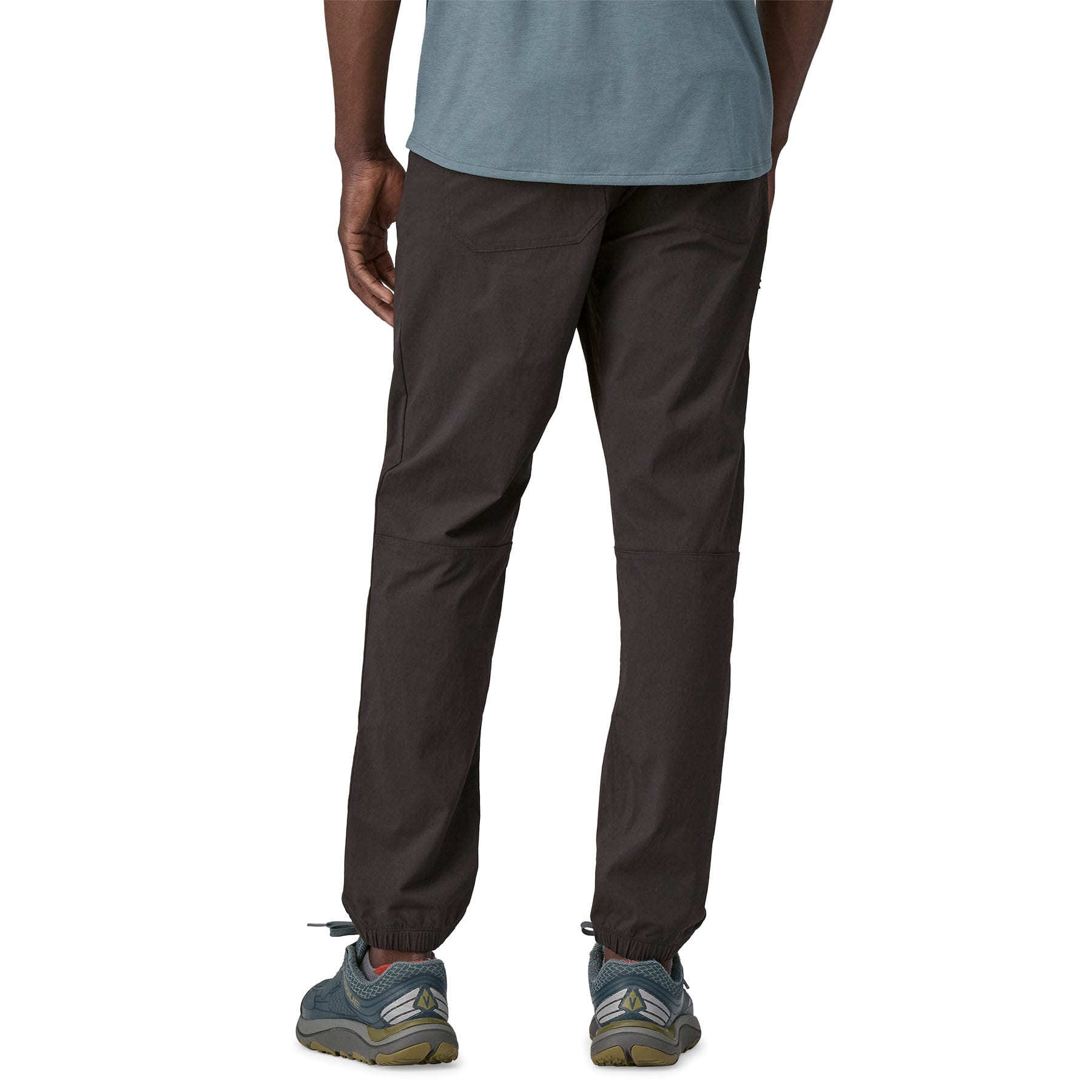
男士 Quandary 慢跑裤

促销价格$125.00
颜色: 黑色的
尺寸: M

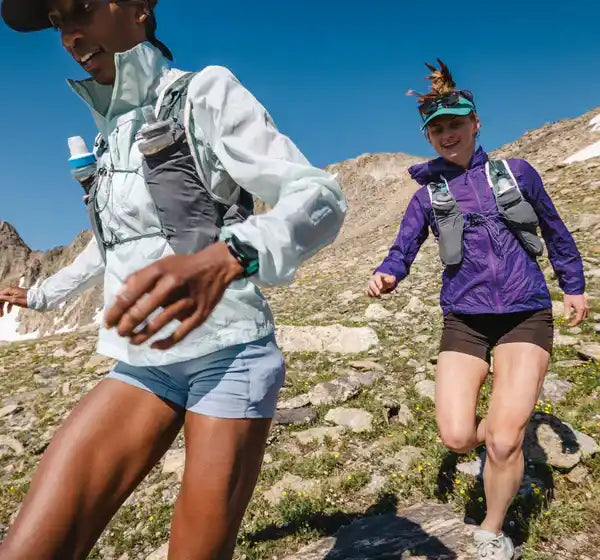
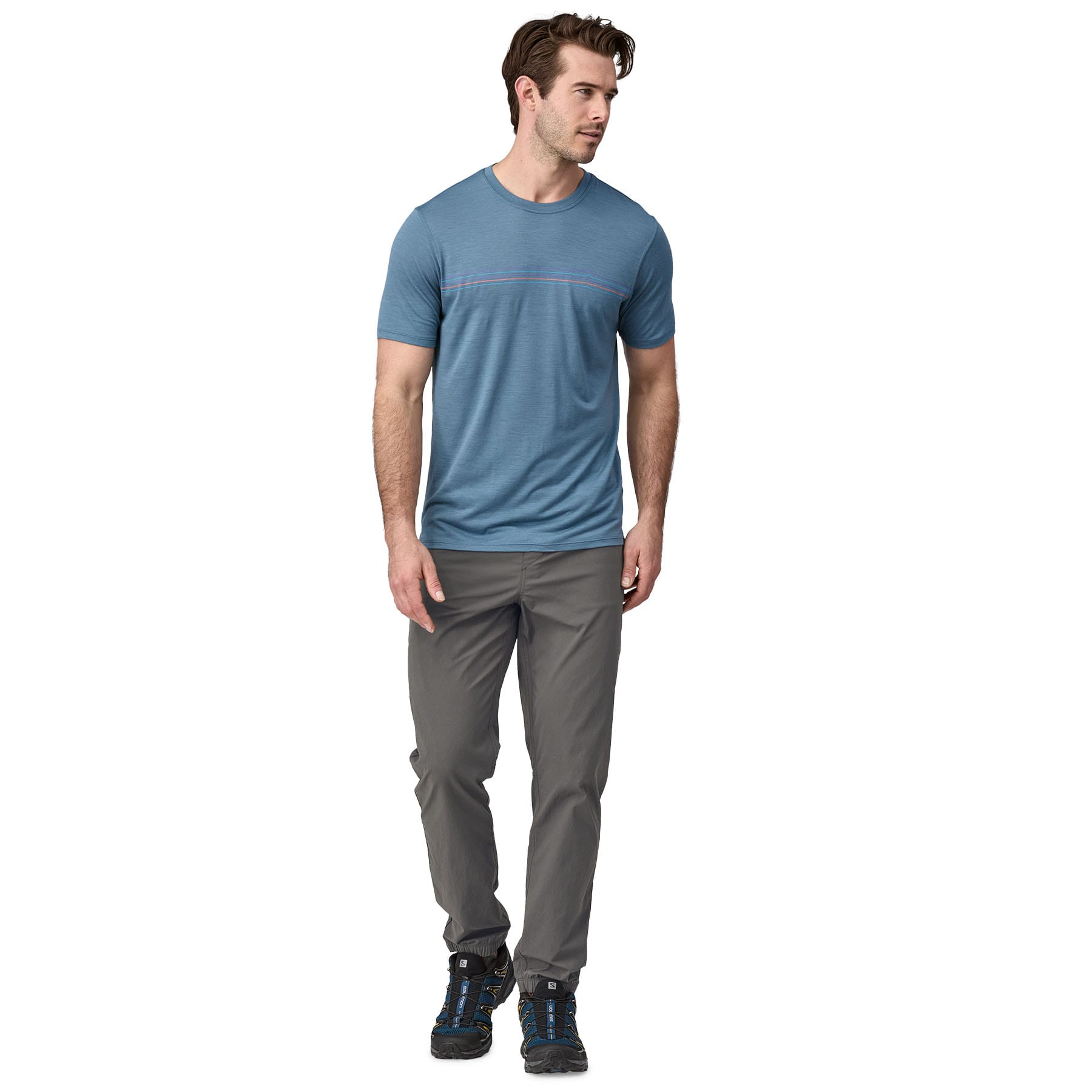
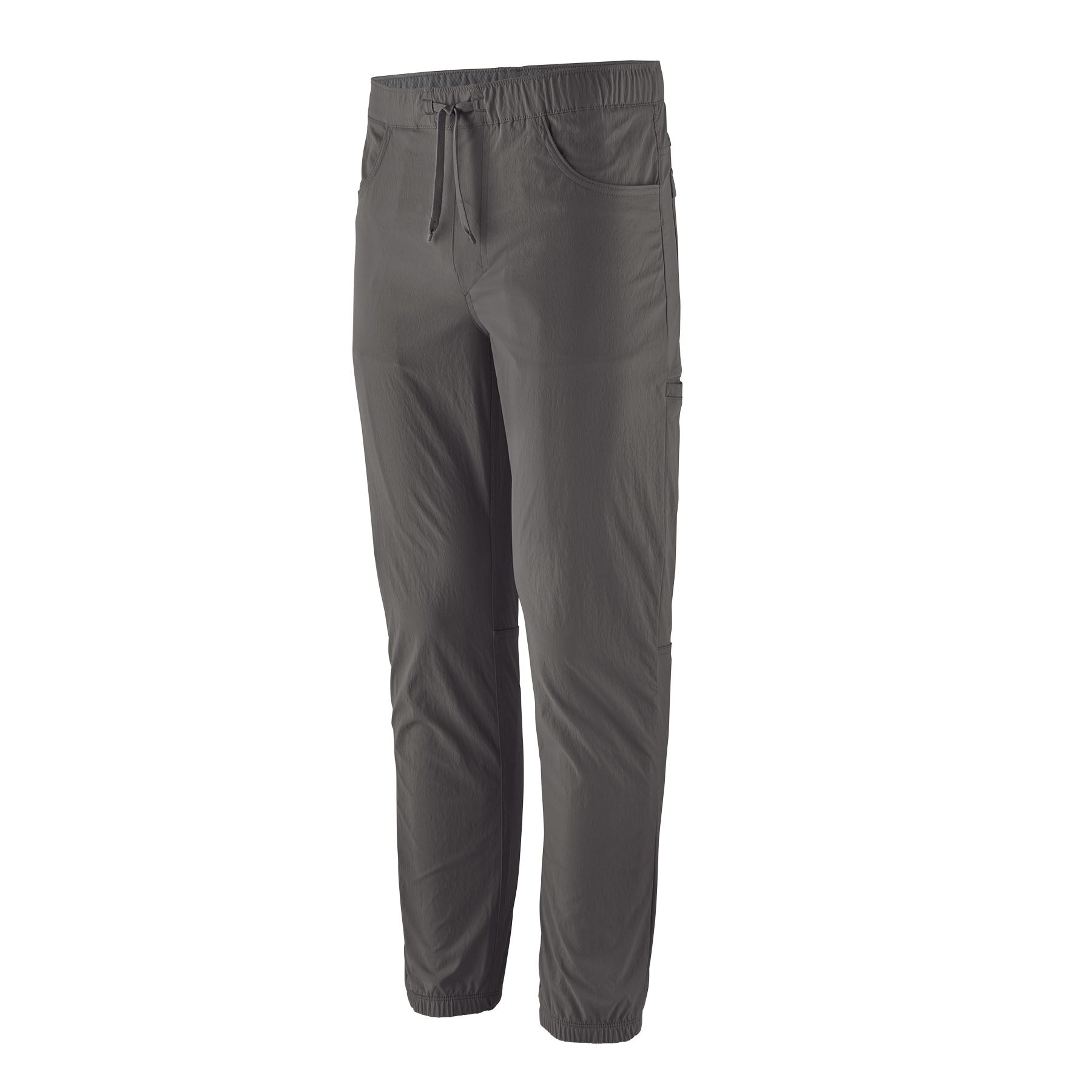
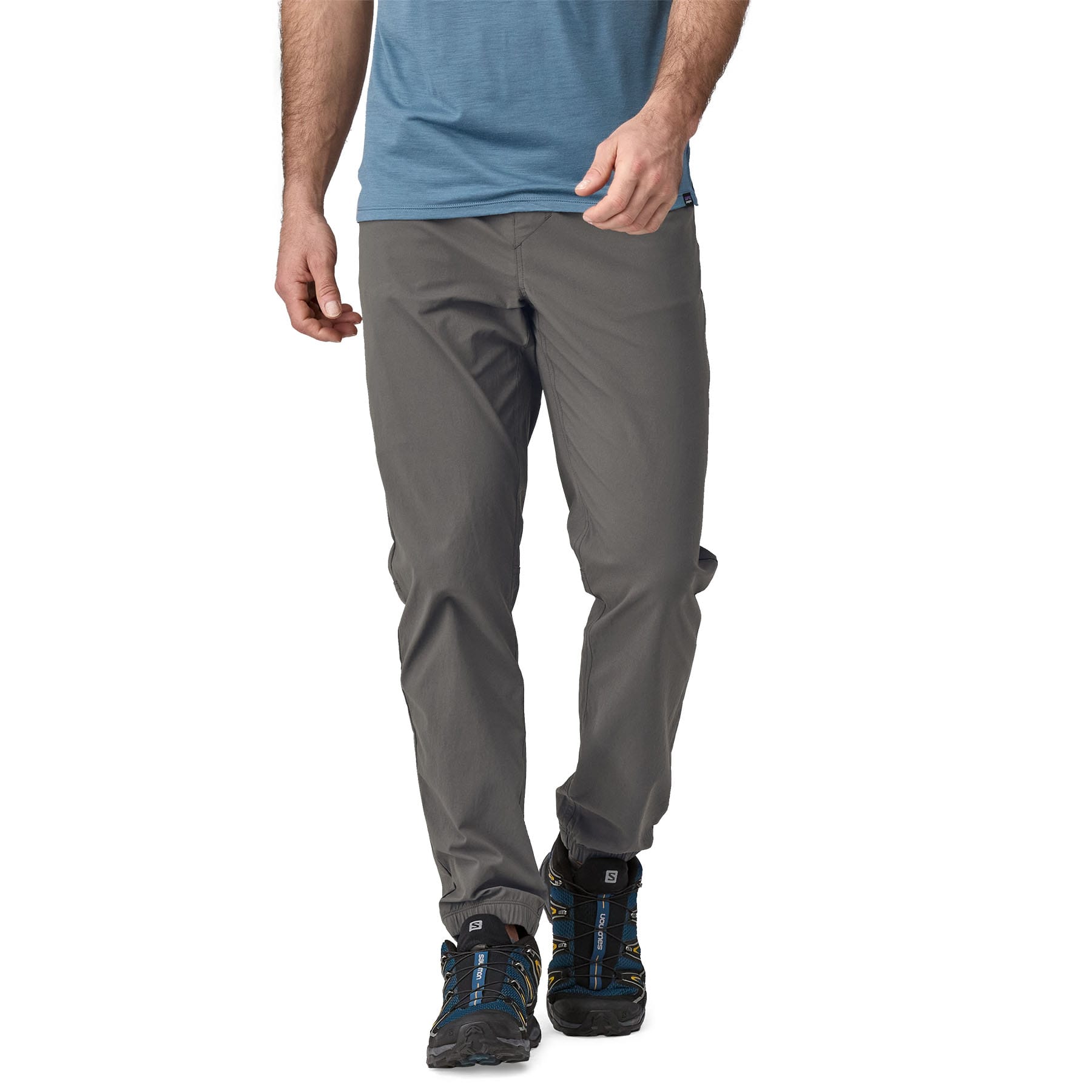
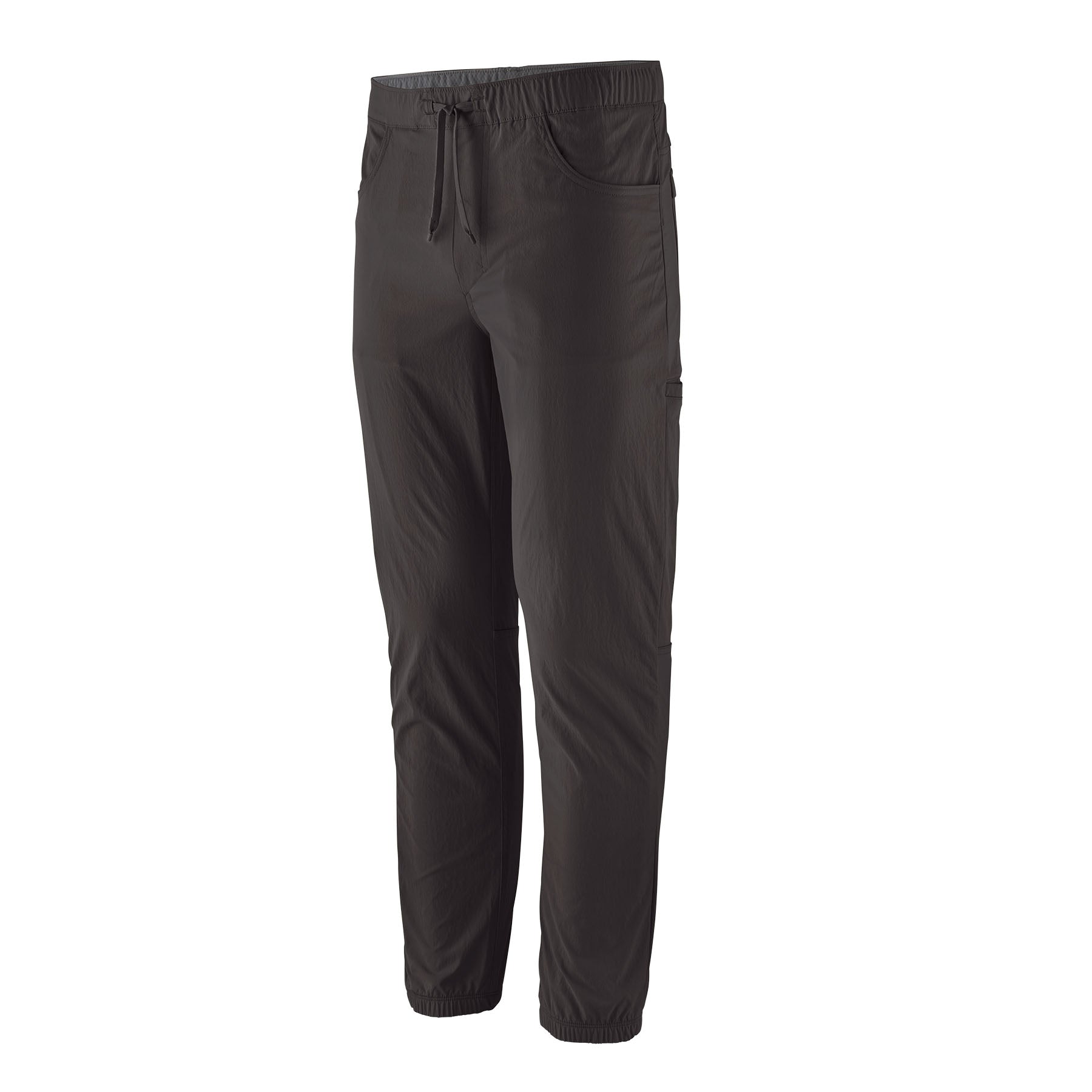
Patagonia® 男士 Quandary 慢跑裤专为舒适和活动自如而设计,是一款多功能徒步裤,采用四季皆宜的慢跑裤版型。

仅剩 1 件
SKU: 55796-BLK

Details:

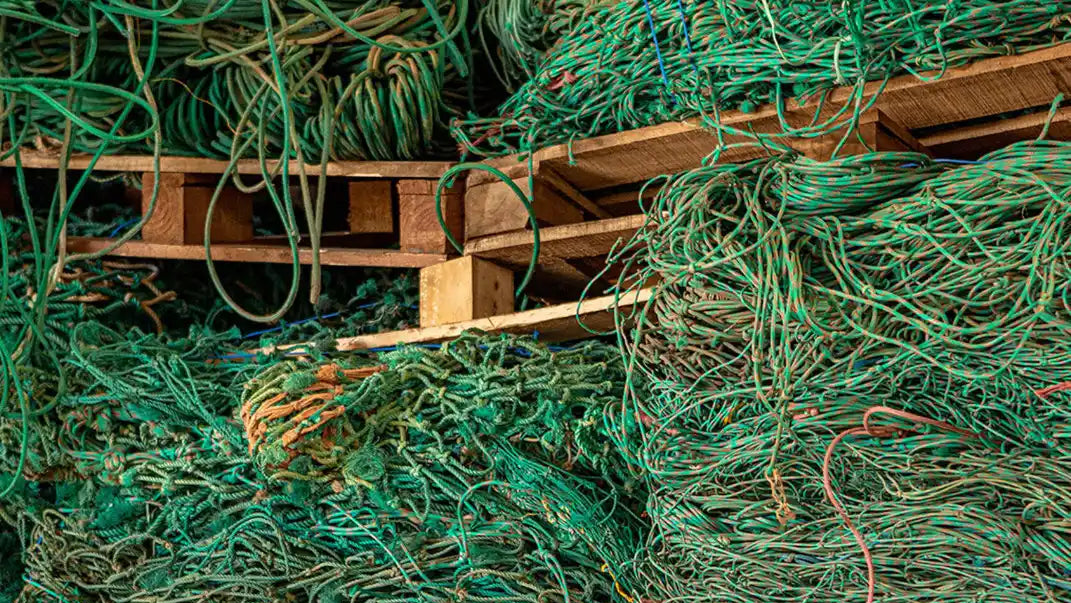
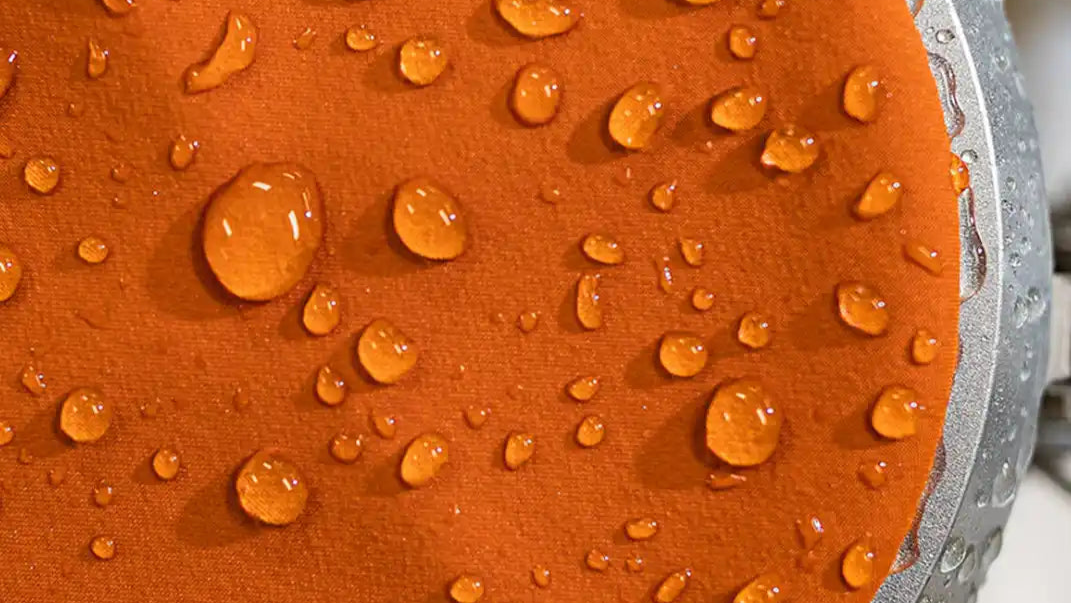
经典的 Quandary 长裤,如今推出慢跑裤版型。这款多功能徒步裤采用 96% NetPlus® 消费后再生尼龙面料,该面料由回收渔网制成,有助于减少海洋塑料污染;另含 4% 氨纶平纹织物;经久耐用的防水 (DWR) 处理,不含全氟化合物 (PFCs/PFAS),可抵御轻微潮湿,并具有 UPF 40+ 防晒功能。内缝长 30 英寸。

Specs & Features:

• 采用96% NetPlus® 消费后再生尼龙(由回收渔网制成,有助于减少海洋塑料污染)/4% 氨纶平纹织物制成;经久耐用的防水(DWR)处理,不含全氟化合物,并具有 UPF 40+ 防晒功能,可在户外提供全方位防护

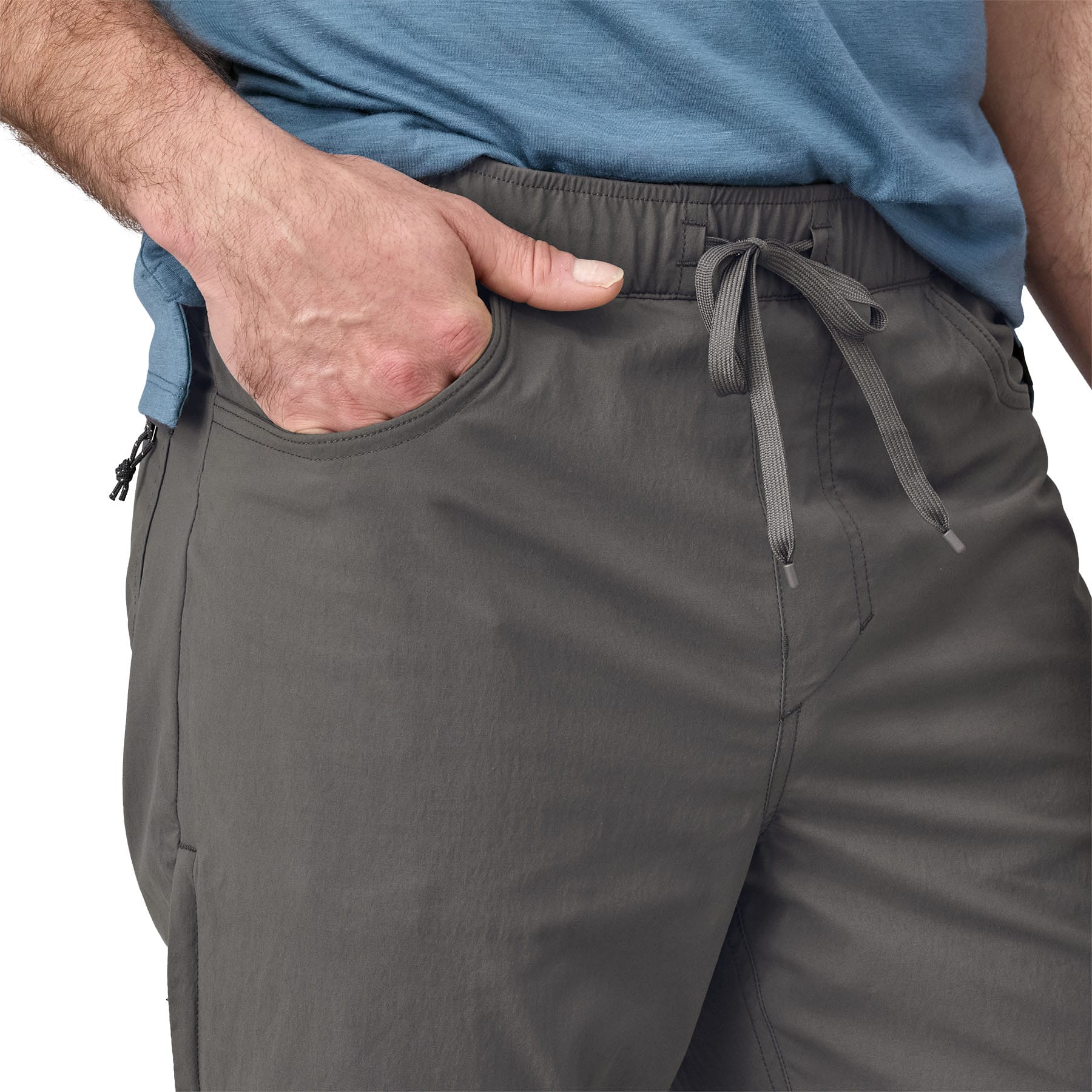
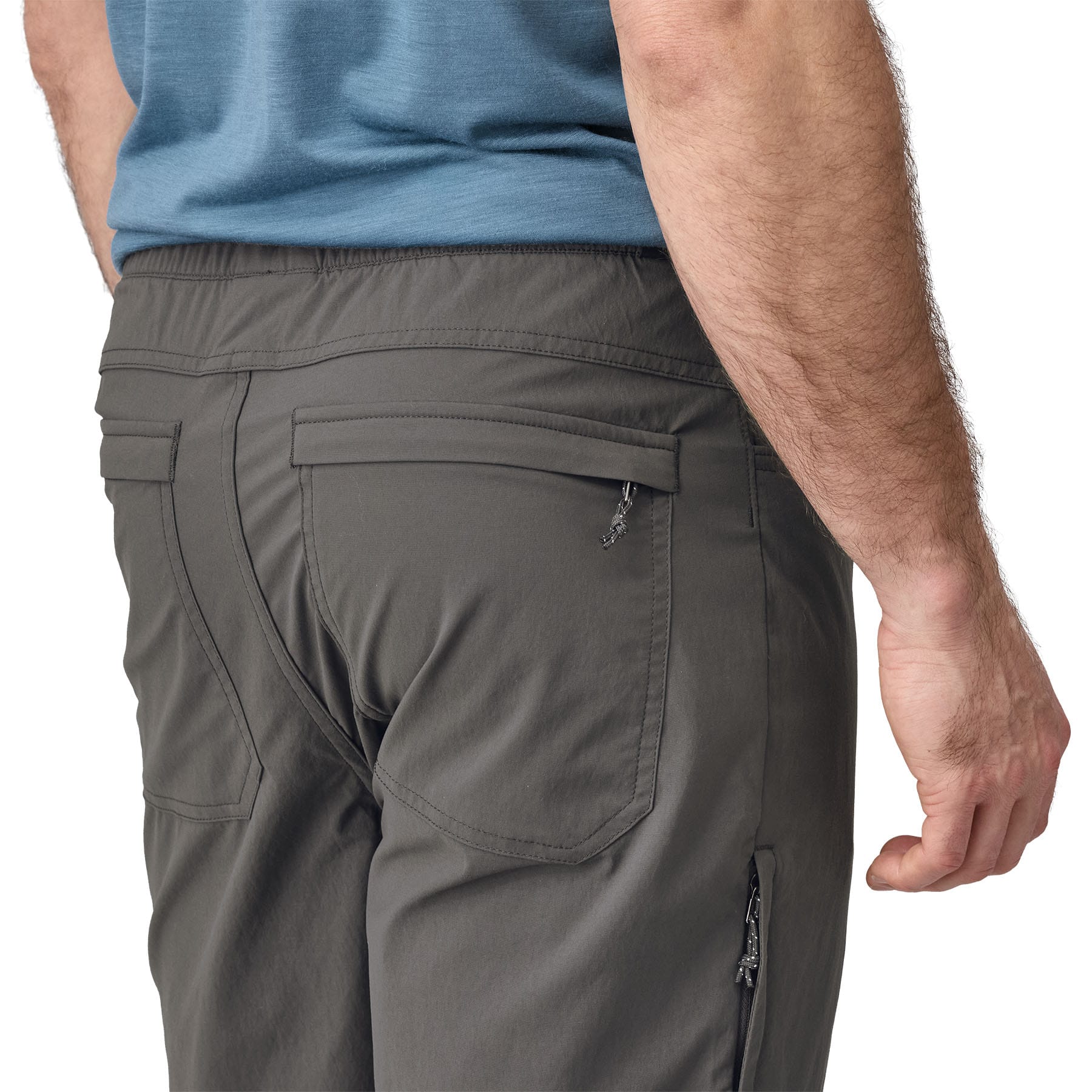
• 弹性腰带,配有假门襟和外置抽绳,带来柔软贴合的穿着体验

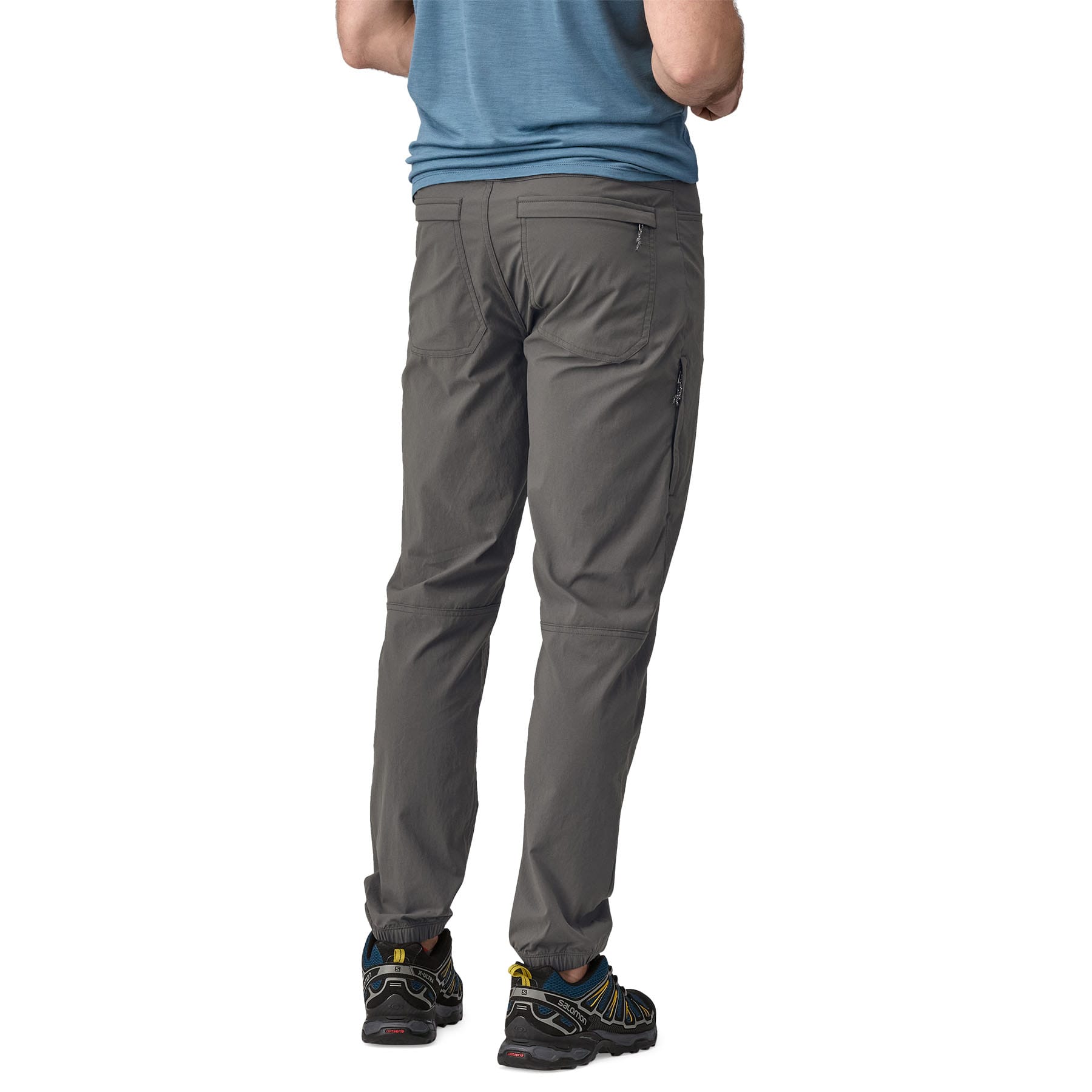
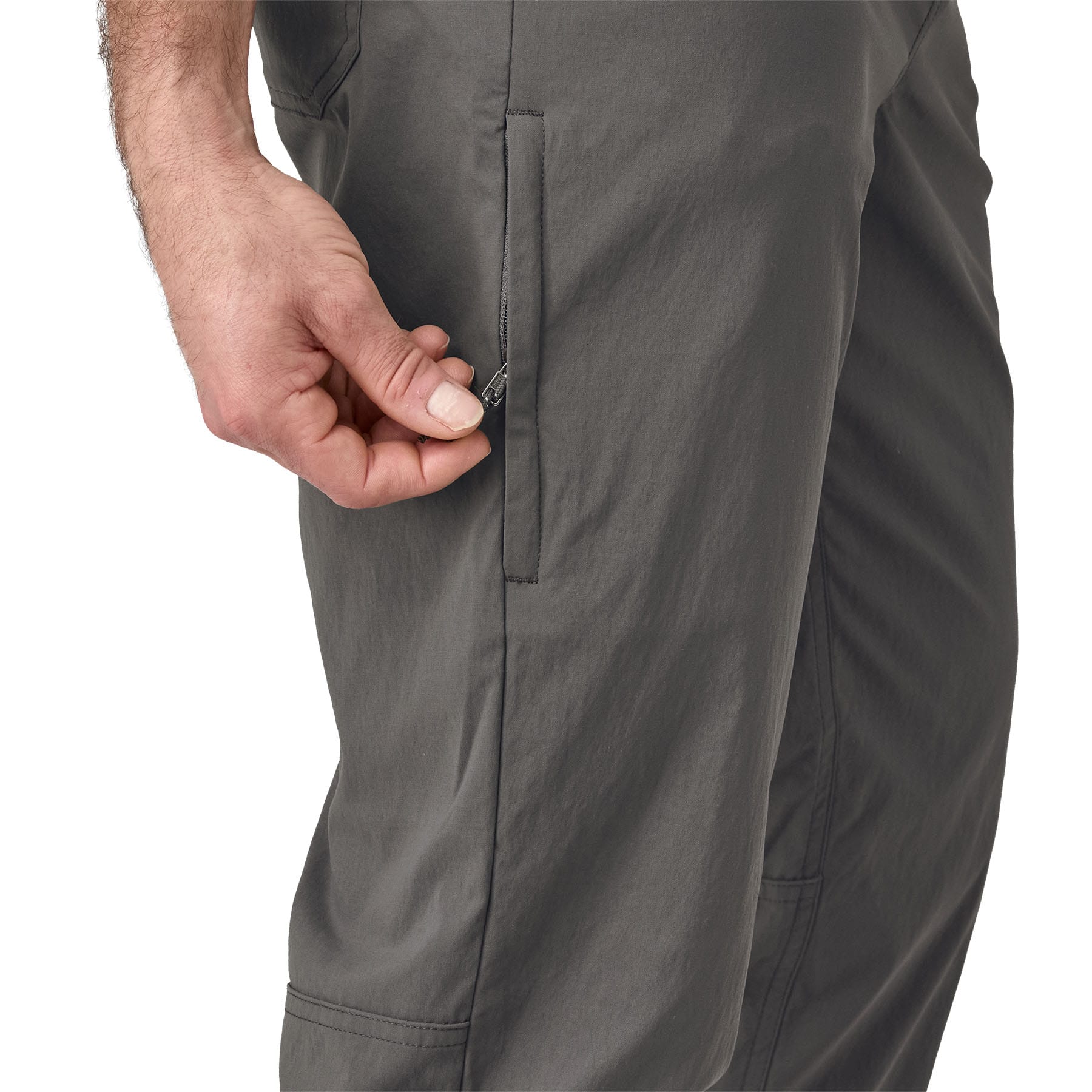
• 两个前口袋;两个后口袋(右后口袋带拉链);以及一个右大腿拉链口袋

小腿关节的活动性增强了灵活性

• 右前口袋处设有加固的止血钳/登山扣环

• 弹性袖口设计,时尚百搭;内缝长度为 30 英寸

• 本产品已根据澳大利亚/新西兰测试方法AS/NZS 4399 或AATCC 183 或EN 13758 进行测试。仅覆盖区域受到保护。该产品提供的保护可能会因使用、拉伸或潮湿而降低

• 40+ UPF

Regular Fit

Neither slim nor oversized. Regular-fitting technical garments may be worn over heavier midlayers.

Materials:

这款面料采用 4.4 盎司(约 113 克)96% NetPlus® 消费后再生尼龙制成,该尼龙由回收渔网制成,有助于减少海洋塑料污染;同时含有 4% 氨纶,采用平纹织法;经久耐用的防水 (DWR) 处理,不含全氟化合物 (PFCs/PFAS),并具有 UPF 40+ 防晒功能。面料已通过 bluesign® 认证。

Care Instructions:

温水机洗,不可漂白,低温烘干,低温熨烫

Country of Origin:

产地:越南

Weight:

315克(11.1盎司)


• 采用96% NetPlus® 消费后再生尼龙(由回收渔网制成,有助于减少海洋塑料污染)/4% 氨纶平纹织物制成;经久耐用的防水(DWR)处理,不含全氟化合物,并具有 UPF 40+ 防晒功能,可在户外提供全方位防护

• 弹性腰带,配有假门襟和外置抽绳,带来柔软贴合的穿着体验

• 两个前口袋;两个后口袋(右后口袋带拉链);以及一个右大腿拉链口袋

小腿关节的活动性增强了灵活性

• 右前口袋处设有加固的止血钳/登山扣环

• 弹性袖口设计,时尚百搭;内缝长度为 30 英寸

• 本产品已根据澳大利亚/新西兰测试方法AS/NZS 4399 或AATCC 183 或EN 13758 进行测试。仅覆盖区域受到保护。该产品提供的保护可能会因使用、拉伸或潮湿而降低

• 40+ UPF

Regular Fit

Neither slim nor oversized. Regular-fitting technical garments may be worn over heavier midlayers.

Materials:

这款面料采用 4.4 盎司(约 113 克)96% NetPlus® 消费后再生尼龙制成,该尼龙由回收渔网制成,有助于减少海洋塑料污染;同时含有 4% 氨纶,采用平纹织法;经久耐用的防水 (DWR) 处理,不含全氟化合物 (PFCs/PFAS),并具有 UPF 40+ 防晒功能。面料已通过 bluesign® 认证。

Care Instructions:

温水机洗,不可漂白,低温烘干,低温熨烫

Country of Origin:

产地:越南

Weight:

315克(11.1盎司)


Details:

经典的 Quandary 长裤,如今推出慢跑裤版型。这款多功能徒步裤采用 96% NetPlus® 消费后再生尼龙面料,该面料由回收渔网制成,有助于减少海洋塑料污染;另含 4% 氨纶平纹织物;经久耐用的防水 (DWR) 处理,不含全氟化合物 (PFCs/PFAS),可抵御轻微潮湿,并具有 UPF 40+ 防晒功能。内缝长 30 英寸。

Everything Patagonia makes has an impact on the planet.

Learn more about the materials and sustainability processes used to make this item.

所有订单实现碳中和运输
所有订单实现碳中和运输
3839kg
已去除运输排放量
这相当于...
9826
英里的普通燃油汽车的行驶里程的排放量
我们投资的创新技术...
直接空气获取
生物油
矿化作用

Recycled Nylon

Nylon is one of the strongest plastics we use in our products. When we need a super-lightweight fabric, nylon is vital for its strength. But nylon is a petroleum-based material, and producing it has a high cost in energy and greenhouse gases. Incorporating as much recycled nylon as we can lessens our dependence on virgin petroleum as a raw material source, helps eliminate discarded material and reduces greenhouse gas emissions from manufacturing.

bluesign® System

Every textile Patagonia uses is the result of a complicated manufacturing process, making it difficult for them to evaluate all the raw materials, dyes and chemical auxiliary materials each of their suppliers use. bluesign® technologies, based in Switzerland, helps with this analysis, working at each step in the textile supply chain to assess and approve chemicals, processes, materials and products that are safe for the environment, workers and customers.

NetPlus® Recycled Fishing Nets

Old, frayed and torn fishing nets are discarded partly because of a lack of end-of-life solutions. Bureo®, a company based in California, is trying to fix this and to provide a responsible alternative to virgin plastics by working directly with fishing communities in South America.

Made without PFAS / PFC

Water repellency doesn’t just keep you comfortable, it keeps you alive. But for decades now, the coatings used in apparel to improve water-repellency have relied on per- or polyfluorinated chemicals, which contain fluorine and are most often referred to by their acronyms: PFCs, PFOAs or PFAS. This class of “forever chemicals” accumulates in air, water, food and even our bodies, and they raise serious health concerns, according to the Environmental Protection Agency.

UPF Treatment

An ultraviolet protection factor (UPF) treatment applied to a fabric or garment increases the ability of the material to prevent the sun’s harmful UV radiation from reaching your skin. We can create that layer of protection by adding special chemistry to the yarn itself, by altering the weight/density of the fabric’s construction or by adding a topical chemical treatment to the fabric.

You may also like