设备|黑洞®袋|Black Hole® 立方体 14L

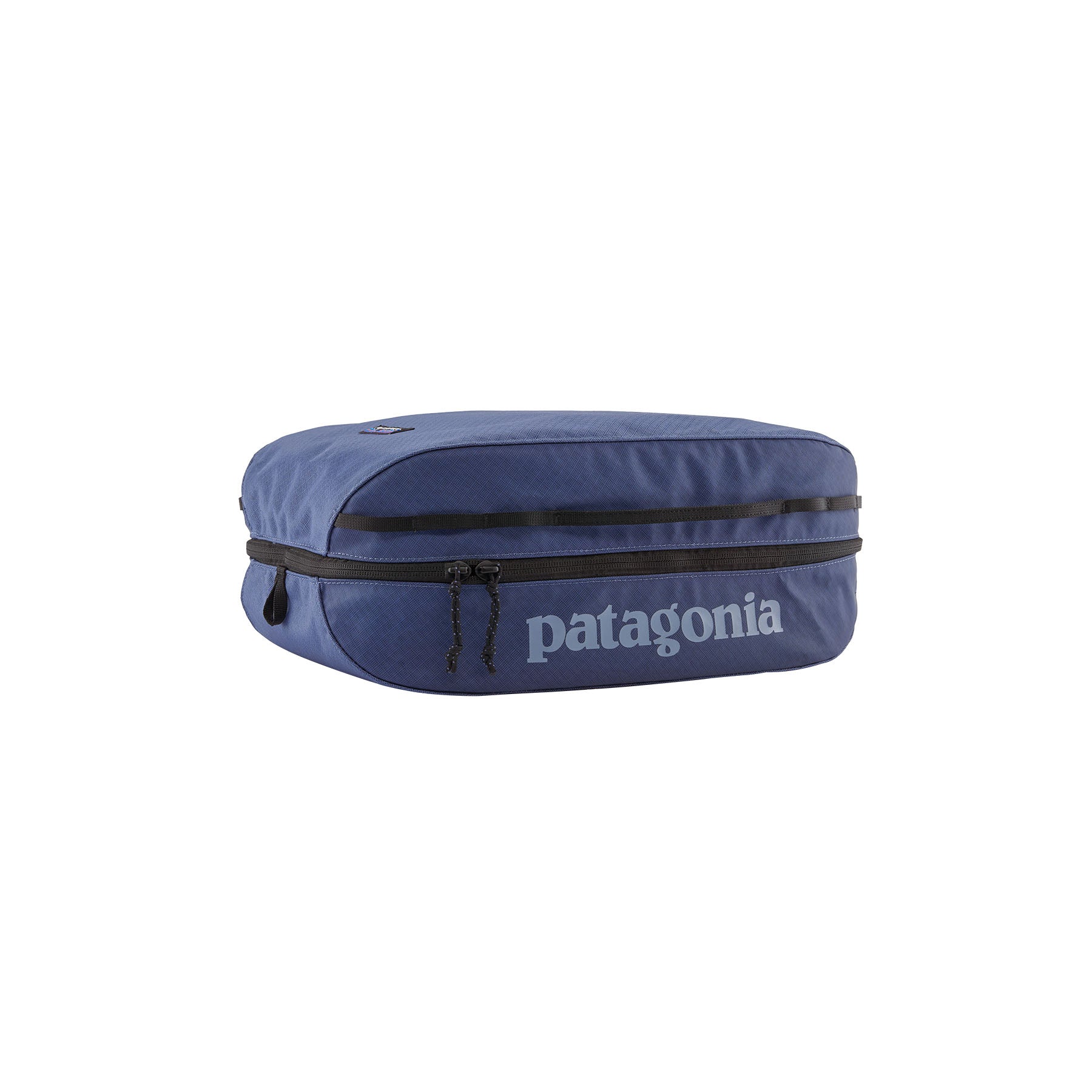
黑洞立方体 14L

促销价格$69.00
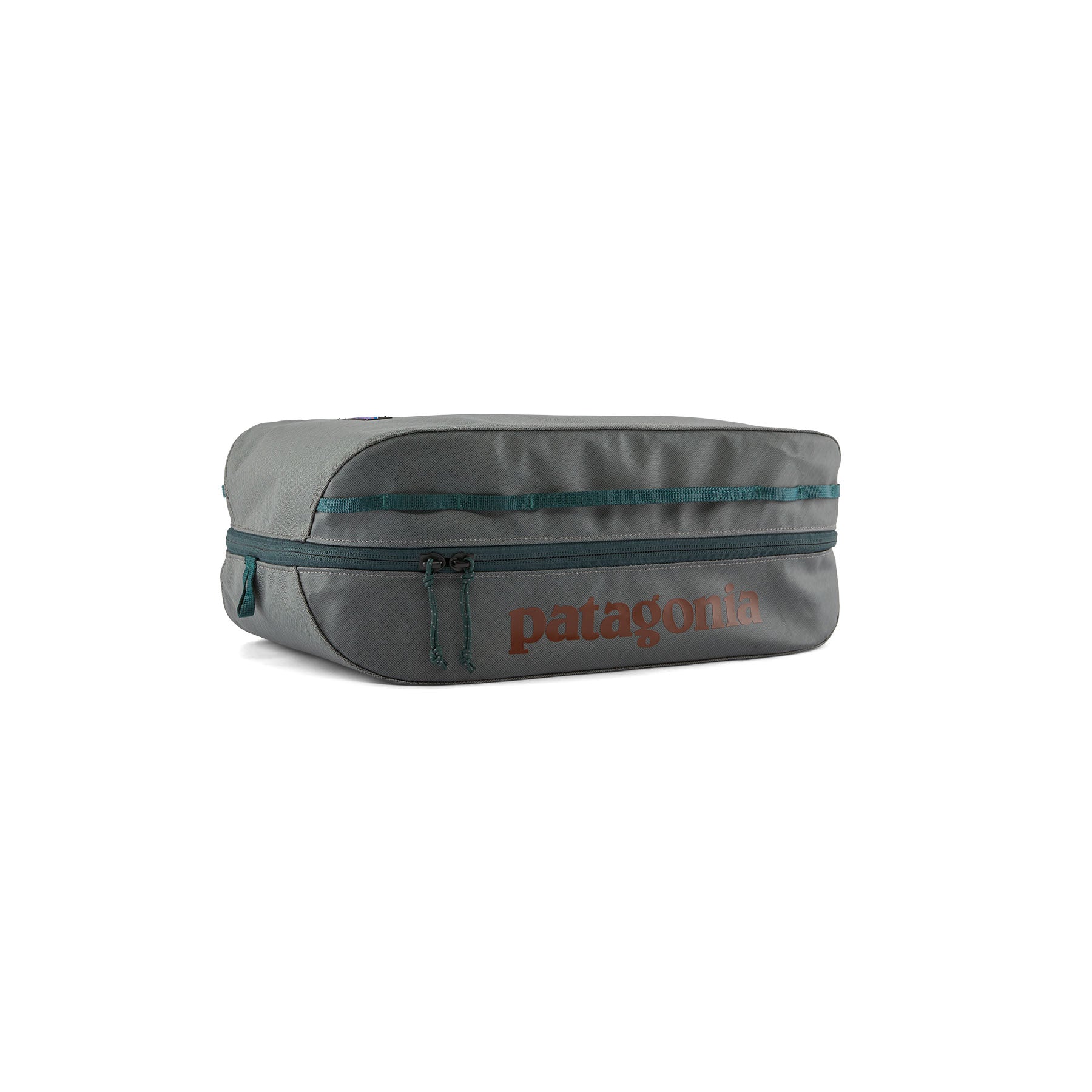
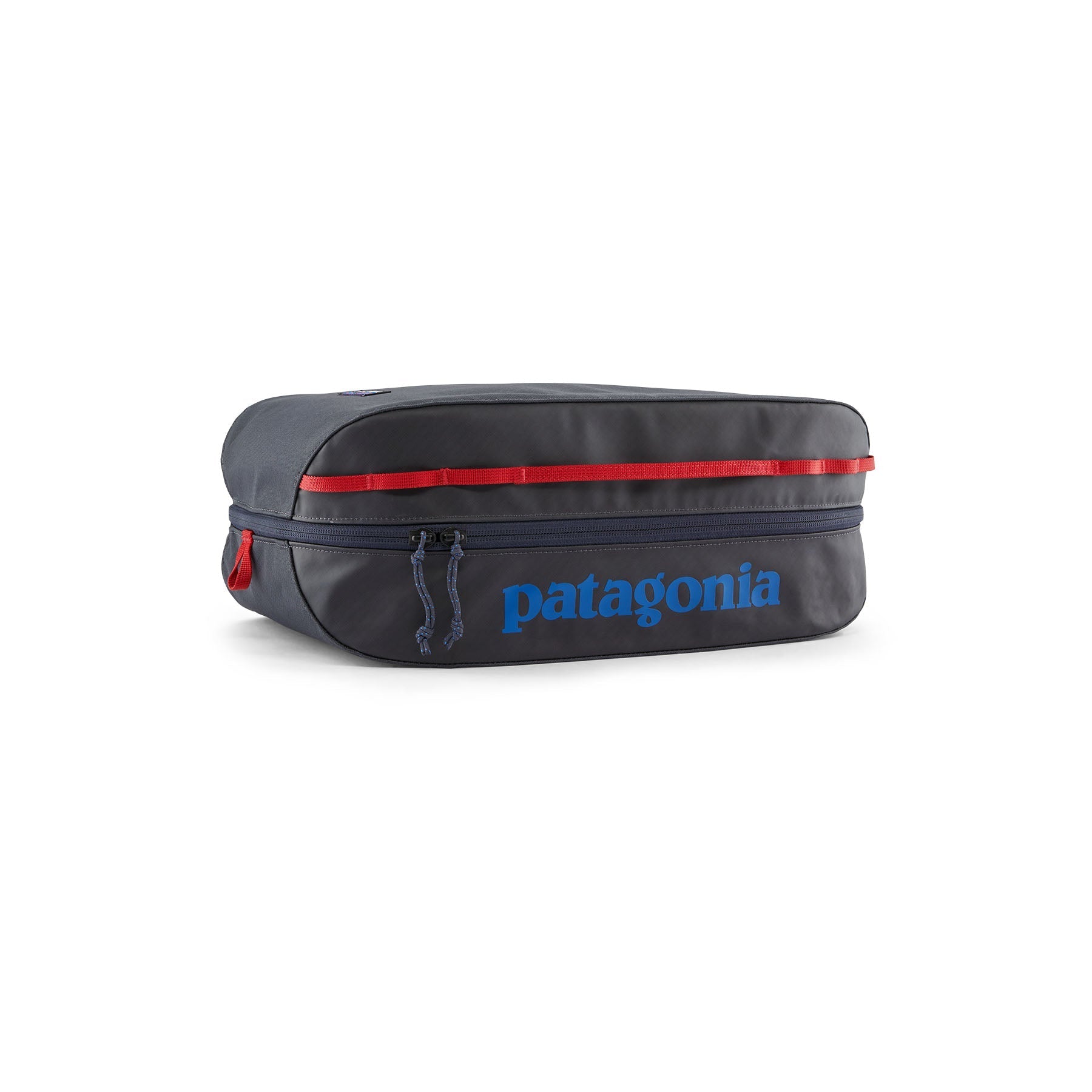
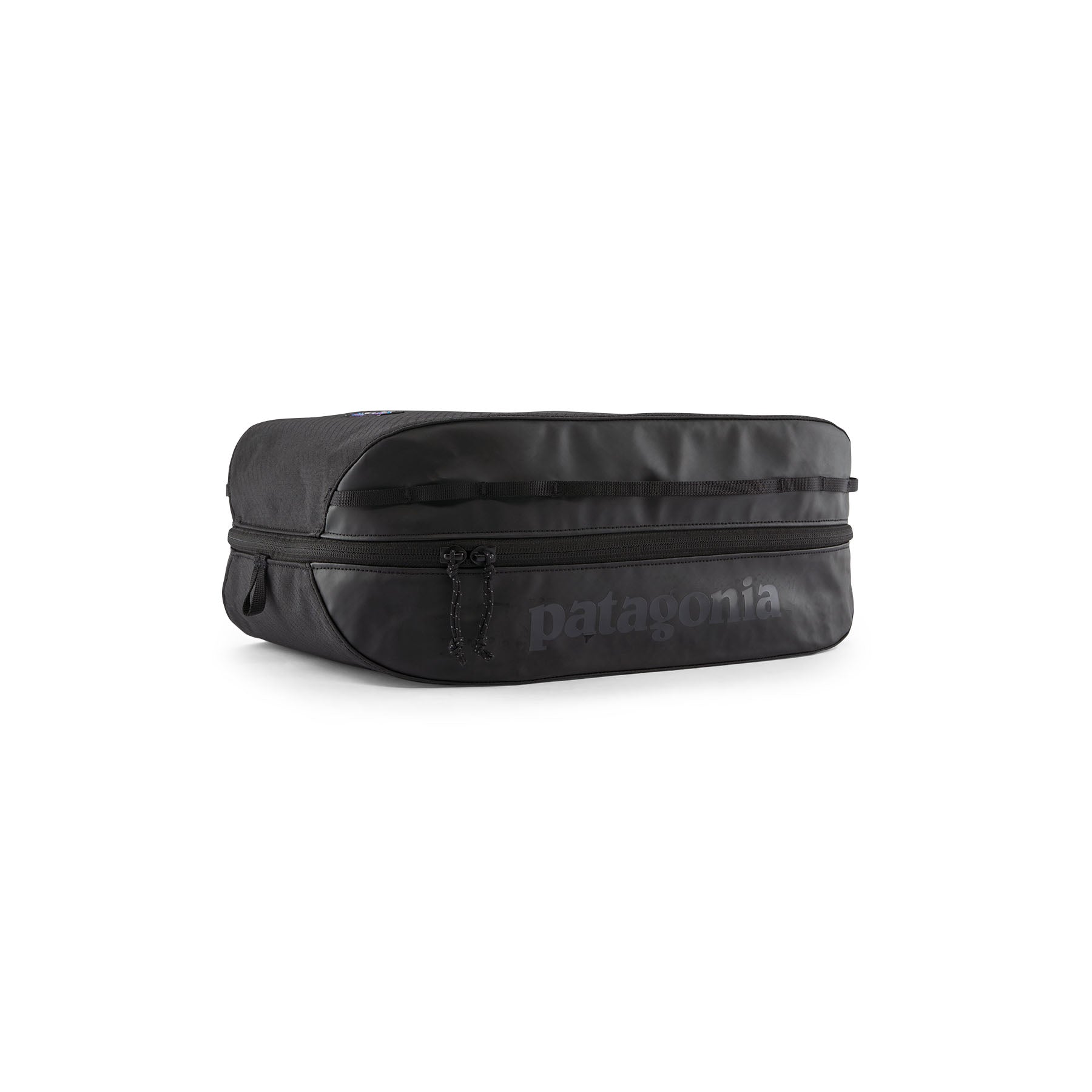
颜色: 盆地绿带菲茨鳟鱼
Volume: 14升

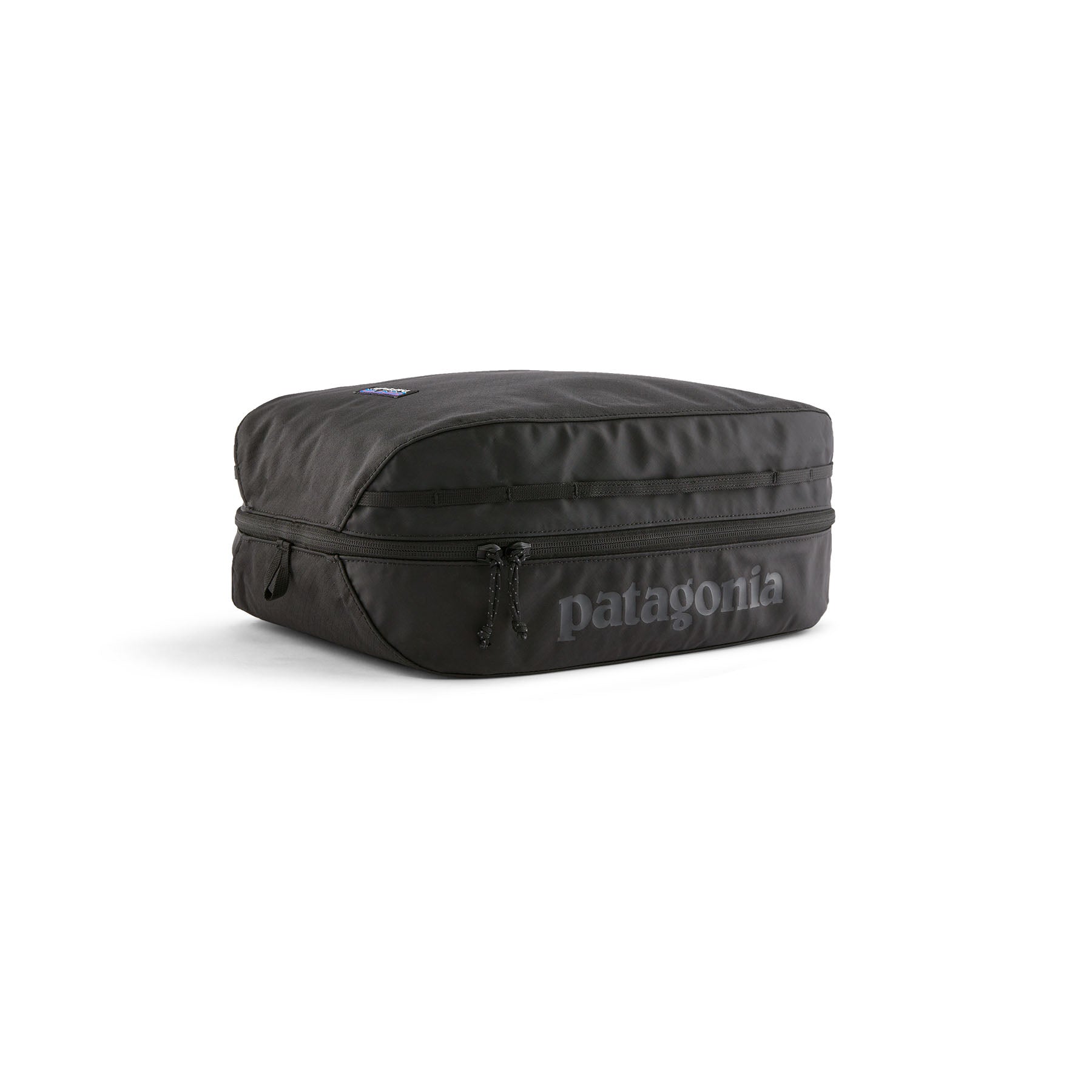
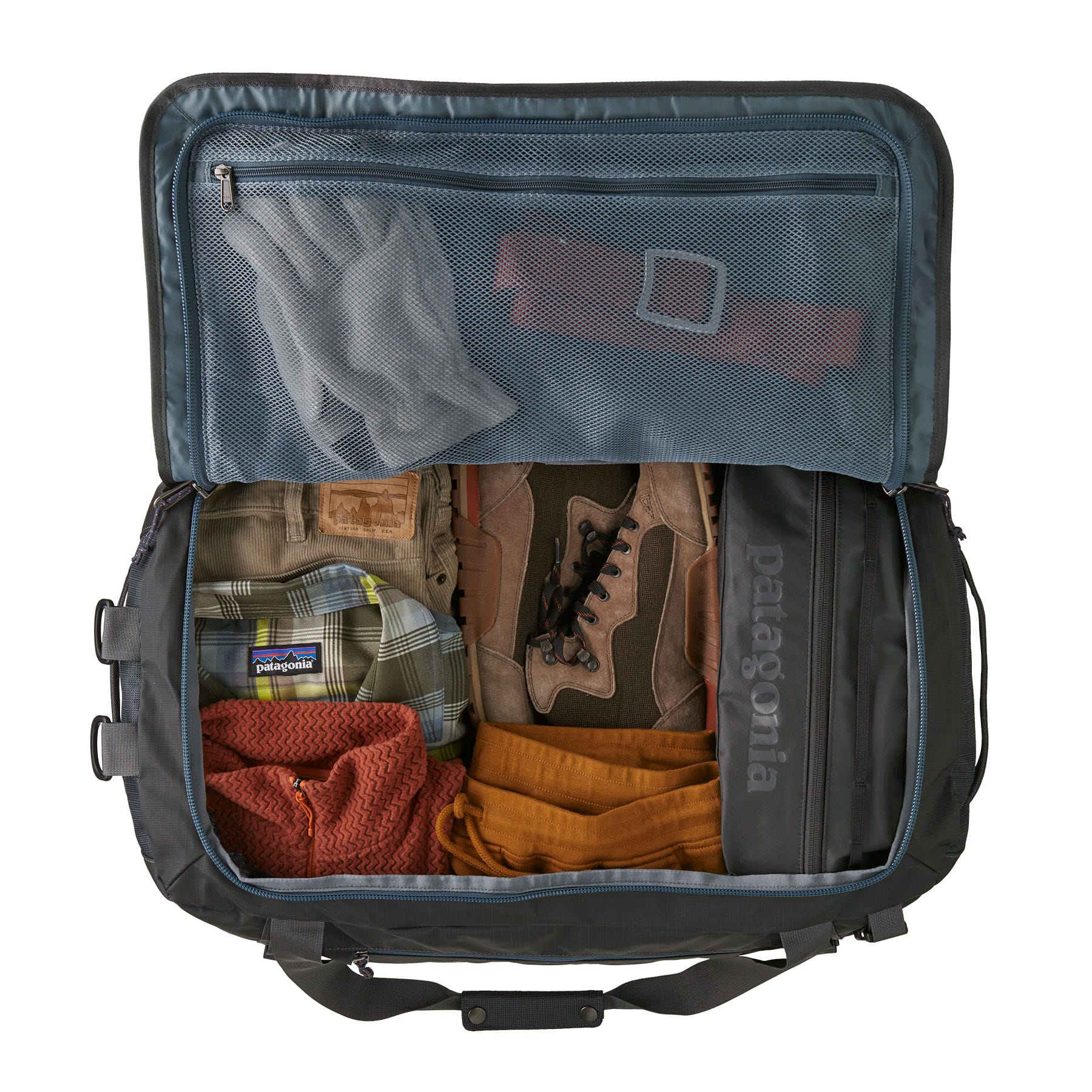
Patagonia® Black Hole® Cube 14L 坚固耐用,具有极强的耐候性,是一个迷你装备衣柜,随时可以整理必需品。

Dimensions: 14" x 5.9" x 11"

现货
SKU: 49372-BGFT

Details:

这款14升迷你装备收纳包随时准备为您整理必备物品,无论您前往何处。翻盖式设计方便打包,拉链隔层(一个网状隔层,一个平纹布隔层)方便您查看携带物品或分类存放脏衣服。它拥有我们Black Hole®系列包袋一贯的卓越性能,同时在环保方面迈出了重要一步:采用100%再生面料、里料和织带,并创新性地使用了具有光滑哑光表面的再生TPU薄膜层压材料。本产品在公平贸易认证™工厂生产。

Specs & Features:

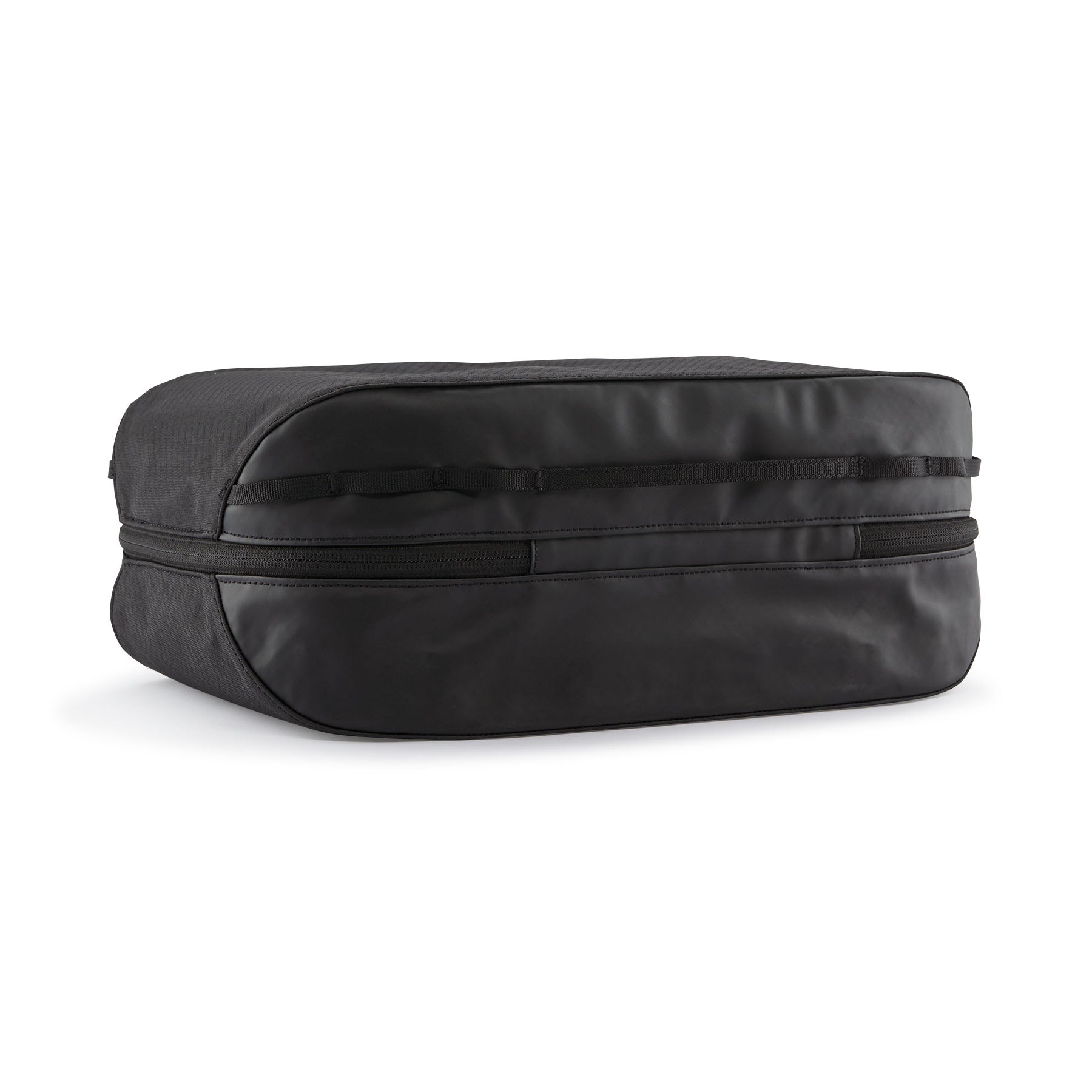
• 采用结实耐用的 100% 再生聚酯纤维防撕裂面料,并覆以哑光、耐候、再生 TPU 薄膜层压膜。

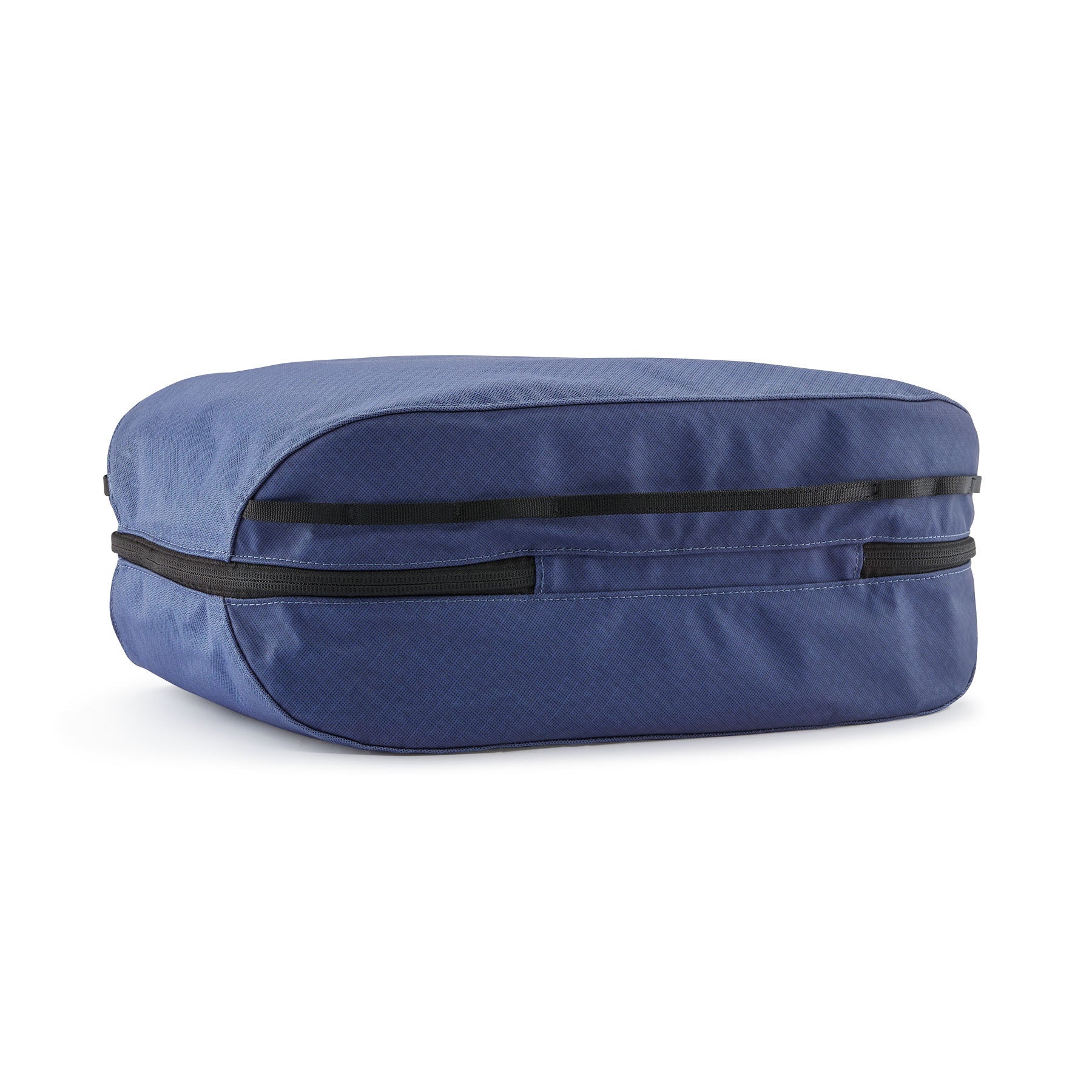
• 主隔层内平均分隔出多个拉链口袋;一侧为网状面料,方便查看物品,另一侧为平纹面料,可将脏污物品完全隔离。

• 外部菊环可用于将包带捆绑在背包和架子上,或夹在旅行袋上

• 大号抓握把手

• 塑料拉链头,耐腐蚀,适用于海水环境

• 可轻松放入 Black Hole® 旅行包中,实现无缝打包;立方体容量为 14 升,足以容纳鞋子或一周的衣物等大件物品。

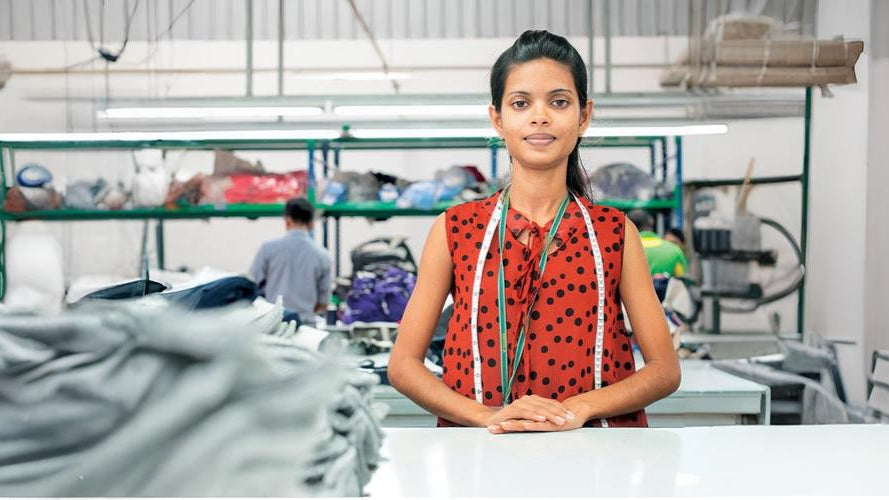
• 在公平贸易认证™工厂制造,这意味着制造该产品的人获得了劳动报酬

Dimensions:

14" x 5.9" x 11"

Materials:

主体:8.7盎司300旦尼尔100%消费后再生涤纶防撕裂面料,覆以工业后再生TPU薄膜。里料和后隔板:3盎司200旦尼尔100%再生涤纶平纹织物,覆以PU涂层。前隔板:5盎司100%再生涤纶网布。织带:100%再生尼龙。里料和隔板面料均通过bluesign®认证。产自公平贸易认证™工厂。

Care Instructions:

温水机洗,不可漂白,低温烘干,低温熨烫

Country of Origin:

产地:越南

Weight:

291克(10.23盎司)


• 采用结实耐用的 100% 再生聚酯纤维防撕裂面料,并覆以哑光、耐候、再生 TPU 薄膜层压膜。

• 主隔层内平均分隔出多个拉链口袋;一侧为网状面料,方便查看物品,另一侧为平纹面料,可将脏污物品完全隔离。

• 外部菊环可用于将包带捆绑在背包和架子上,或夹在旅行袋上

• 大号抓握把手

• 塑料拉链头,耐腐蚀,适用于海水环境

• 可轻松放入 Black Hole® 旅行包中,实现无缝打包;立方体容量为 14 升,足以容纳鞋子或一周的衣物等大件物品。

• 在公平贸易认证™工厂制造,这意味着制造该产品的人获得了劳动报酬

Dimensions:

14" x 5.9" x 11"

Materials:

主体:8.7盎司300旦尼尔100%消费后再生涤纶防撕裂面料,覆以工业后再生TPU薄膜。里料和后隔板:3盎司200旦尼尔100%再生涤纶平纹织物,覆以PU涂层。前隔板:5盎司100%再生涤纶网布。织带:100%再生尼龙。里料和隔板面料均通过bluesign®认证。产自公平贸易认证™工厂。

Care Instructions:

温水机洗,不可漂白,低温烘干,低温熨烫

Country of Origin:

产地:越南

Weight:

291克(10.23盎司)


Details:

这款14升迷你装备收纳包随时准备为您整理必备物品,无论您前往何处。翻盖式设计方便打包,拉链隔层(一个网状隔层,一个平纹布隔层)方便您查看携带物品或分类存放脏衣服。它拥有我们Black Hole®系列包袋一贯的卓越性能,同时在环保方面迈出了重要一步:采用100%再生面料、里料和织带,并创新性地使用了具有光滑哑光表面的再生TPU薄膜层压材料。本产品在公平贸易认证™工厂生产。

Everything Patagonia makes has an impact on the planet.

Learn more about the materials and sustainability processes used to make this item.

所有订单实现碳中和运输
所有订单实现碳中和运输
3839kg
已去除运输排放量
这相当于...
9826
英里的普通燃油汽车的行驶里程的排放量
我们投资的创新技术...
直接空气获取
生物油
矿化作用

Fair Trade Certified™

An ever-growing number of our products are Fair Trade Certified™ for sewing, which means we pay a premium to the workers in the factories that make them. The Fair Trade program also helps to create better working conditions and safeguards against the use of child labor.

fairtradecertified.org

bluesign® System

Every textile Patagonia uses is the result of a complicated manufacturing process, making it difficult for them to evaluate all the raw materials, dyes and chemical auxiliary materials each of their suppliers use. bluesign® technologies, based in Switzerland, helps with this analysis, working at each step in the textile supply chain to assess and approve chemicals, processes, materials and products that are safe for the environment, workers and customers.

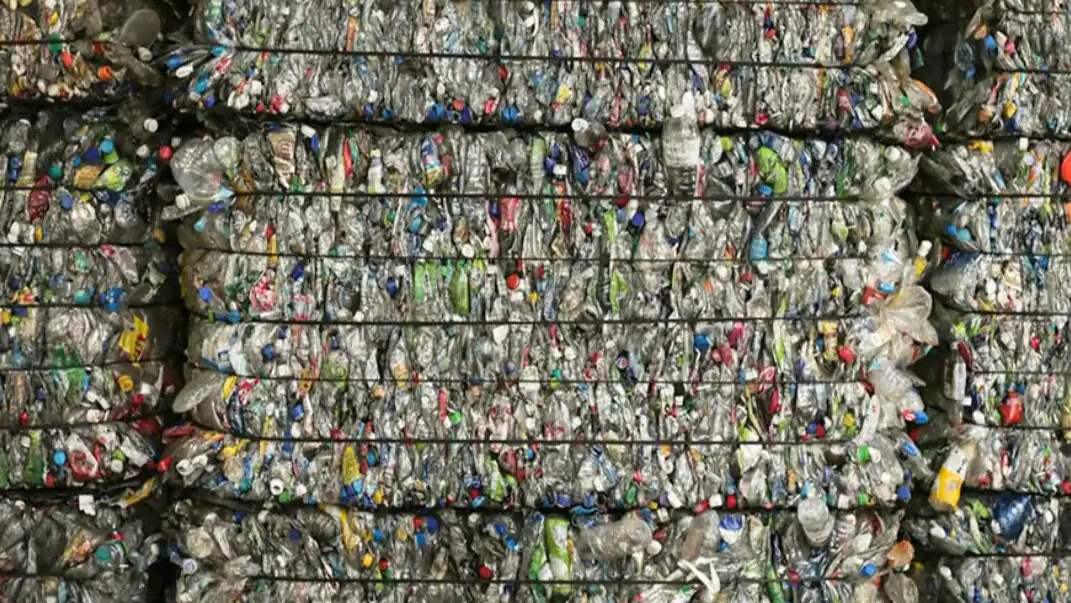
Recycled Polyester

An important fiber in Patagonia's line, polyester allows them to build lightweight materials that dry quickly and can be used in a variety of applications, including trail-running tops and yoga tights. Polyester also blends well with natural fabrics like cotton. But virgin polyester is derived from petroleum, which comes at a high environmental cost.

Recycled Nylon

Nylon is one of the strongest plastics we use in our products. When we need a super-lightweight fabric, nylon is vital for its strength. But nylon is a petroleum-based material, and producing it has a high cost in energy and greenhouse gases. Incorporating as much recycled nylon as we can lessens our dependence on virgin petroleum as a raw material source, helps eliminate discarded material and reduces greenhouse gas emissions from manufacturing.

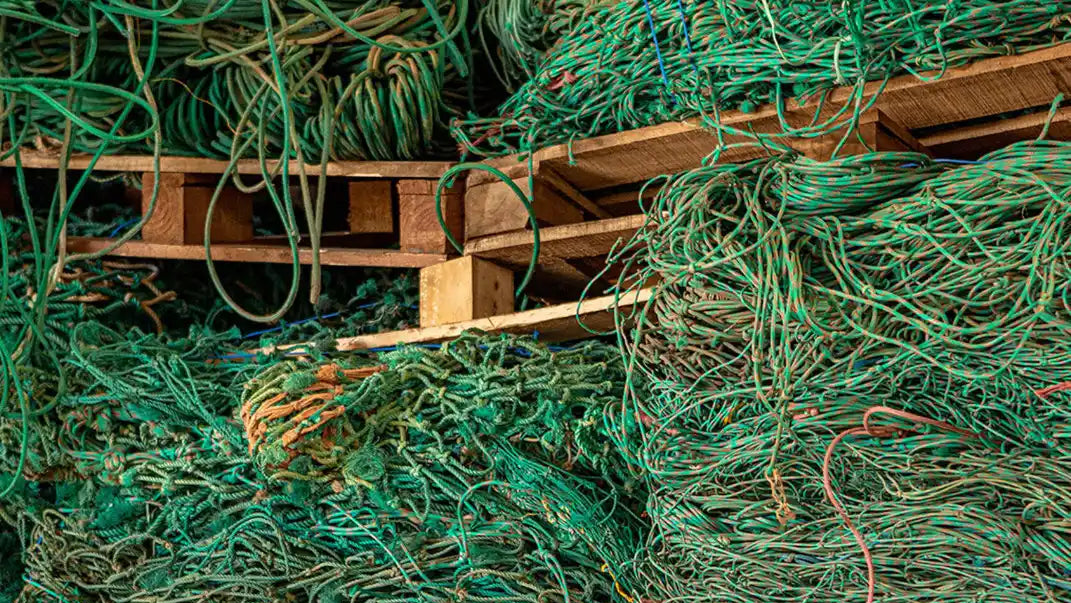
NetPlus® Recycled Fishing Nets

Old, frayed and torn fishing nets are discarded partly because of a lack of end-of-life solutions. Bureo®, a company based in California, is trying to fix this and to provide a responsible alternative to virgin plastics by working directly with fishing communities in South America.

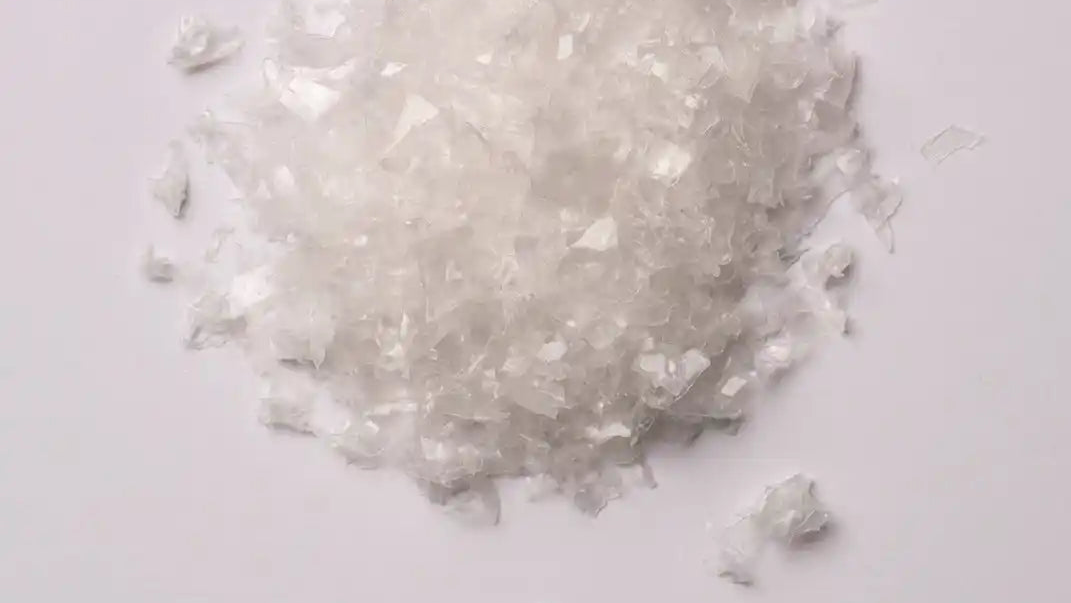
Recycled TPU

To reduce the reliance on fossil fuels without losing the performance our gear needs, Patagonia is making more products with recycled TPU, a change that decreases our carbon emissions by 91 % per kilogram compared to those associated with virgin TPU, based on the Higg Material Sustainability Index, version 3.6.

You may also like